
How I Improved My Heart Health in Winter — Without Walking More
Winter reduced my steps, but my heart health improved. See how Still Warrior isometrics increased heart efficiency and HRV—even with less activity.
Bruce R Black
12/24/20253 min read
How I Improved My Heart Health in Winter — Without Walking More
Real data from Still Warrior isometrics (heart rate efficiency + HRV)
Winter in Colorado has a funny way of shrinking your world.
The sidewalks get icy.
The sun clocks out early.
And suddenly, even people who love to walk start negotiating with the couch.
This winter, my step count dropped. On paper, that looks like trouble.
But here’s the twist: my heart health improved anyway.
Not by grinding harder.
Not by pretending winter doesn’t exist.
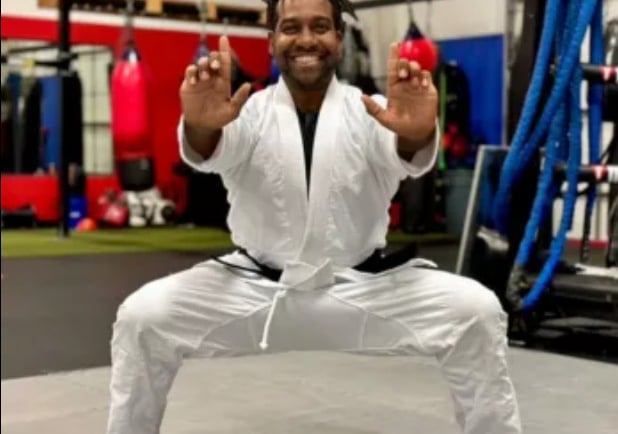
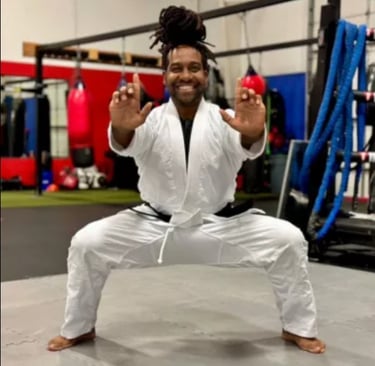
But by leaning into Still Warrior isometrics — specifically the horse stance with push, pull, and press — and letting the data tell the truth.
This post isn’t theory.
It’s my actual results from Google Health data.
The Winter Problem (and why steps lie)
Most fitness tracking revolves around movement volume:
Steps
Distance
Calories
That works great… until winter.
In my case:
Outdoor walking dropped significantly (hello snow and short days)
Weekly steps fell by more than half compared to earlier months
By traditional logic, that should mean:
Declining fitness
Worse cardiovascular health
Increased stress on the system
But the heart doesn’t speak in steps.
It speaks in efficiency and adaptability.
That’s where Still Warrior shows up.
What I Did Instead: Still Warrior Isometrics
See the exact routine in the Still Warrior Training Guide
Throughout winter, I consistently practiced:
Isometric horse stance
Push / pull / press patterns
Controlled breathing
Short, repeatable indoor sessions
No jumping.
No joint stress.
No weather dependency.
Just steady, intentional tension.
Then I looked at two markers that actually matter:
Heart Rate Efficiency
Heart Rate Variability (HRV)
Result #1: Heart Rate Efficiency Improved
(Even with less walking)
What changed
My resting heart rate dropped by ~5 beats per minute
This happened during the same period my steps declined
Why this matters
A lower resting heart rate means:
Your heart is doing less work to maintain baseline function
Your cardiovascular system has become more efficient
You’re not accumulating hidden stress
If winter inactivity were harming my heart, resting HR would rise.
It didn’t.
It fell.
Plain-English takeaway
My heart became more efficient even though I was less active outdoors.
That’s not luck.
That’s adaptation.
Result #2: Heart Rate Variability Increased and Stabilized
(The nervous system signal people ignore)
Heart Rate Variability (HRV) measures how well your nervous system adapts to stress.
Higher, stable HRV generally means:
Better recovery
Less chronic stress
Stronger parasympathetic (calming) response
What my data showed
HRV trended slightly higher
Day-to-day swings became less volatile
No prolonged drops or stress suppression
Why this matters
Many workouts increase stress faster than they improve fitness.
Still Warrior didn’t.
Instead, my nervous system became:
Calmer
More resilient
Better regulated
Plain-English takeaway
The Still Warrior isometrics improved my stress tolerance while winter reduced my activity.
That’s the opposite of what most people experience in cold months.
Why Isometrics Work When Volume Drops
Isometric training hits a rare sweet spot:
Sustained muscle tension → strong neurological input
Controlled breathing → vagus nerve engagement
Minimal movement → low joint and recovery cost
Whole-body engagement → high systemic effect
The body doesn’t care whether stress comes from:
Running hills
Or holding a calm, powerful stance
What it cares about is:
Signal quality
Recovery balance
Consistency
Still Warrior delivers all three — especially indoors.
The Big Lesson: Winter Doesn’t Equal Decline
My data tells a simple but powerful story:
Steps decreased → yes
Heart efficiency improved → yes
Nervous system resilience improved → yes
That means:
You don’t need to move more in winter to improve your health.
You need to move smarter.
What This Means for Aging Well
As we age, the biggest threat isn’t missing workouts.
It’s quiet drift:
Less movement
More stress
Lower recovery
Without noticing until years pass
Winter accelerates that — unless you have a system that:
Works indoors
Respects joints
Trains strength and calm
Still Warrior is exactly that system.
Final Truth (from real data, not motivation posters)
Even in winter.
Even with fewer steps.
You can still improve your heart health.
Not by fighting the season —
but by training in harmony with it.
That’s not a workaround.
That’s longevity.
© 2025. All rights reserved.
"Disclaimer: The fitness and exercise information provided on this website is intended for educational purposes only. It is not a substitute for professional medical advice, diagnosis, or treatment. Consult your physician or a qualified health provider before starting any exercise program. The use of any information provided on this site is solely at your own risk. We do not assume liability for any injuries or health issues that may result from using our content."